
Hyundai Bayon vs Victoris vs Seltos: Which SUV is Best to Buy This Diwali?
Google News

Table of Content

- Hyundai Bayon vs Victoris vs Seltos: Price and specifications
- Hyundai Bayon vs Maruti Victoris: Features and safety
- Hyundai Bayon vs Kia Seltos: Space, performance and everyday use
- Best car to buy this Diwali 2026: Price, running costs and rivals
- Running costs: Petrol, CNG, hybrid or diesel?
- Rivals worth considering before booking
- Who should buy each SUV this Diwali?
- Verdict: Which is the best car to buy this Diwali 2026?
- FAQs About Hyundai Bayon vs Victoris vs Seltos
Summarize this blog post with:


Hyundai Motor India launched the Bayon on October 26, 2026. The introductory starting price is Rs 9.99 lakh (ex showroom). It lands in the Diwali buying season next to the Maruti Suzuki Victoris and Kia Seltos, so Indian buyers get three very different takes on the compact SUV.
The Bayon leans on connected tech, driver assistance and cabin convenience. The Victoris runs on petrol, CNG or a strong hybrid. The Seltos gives you several engines and gearboxes. In this Hyundai Bayon vs Victoris vs Seltos comparison, price, features, running costs and daily usability matter more than festive discounts.
Hyundai Bayon vs Victoris vs Seltos: Price and specifications

Each SUV chases a different buyer. The Bayon starts lowest. The Victoris has the widest fuel choice. The Seltos is the biggest and has the most engine options.
Hyundai’s introductory price for the Bayon is Rs 9.99 lakh (ex showroom). The Victoris starts from Rs 10.50 lakh (ex showroom). The Kia Seltos starts from Rs 11 lakh and runs up to Rs 21.82 lakh (ex showroom).
|
Specification |
Bayon |
Victoris |
Seltos |
|
Starting price |
Rs 9.99 lakh |
Rs 10.50 lakh |
Rs 11 lakh |
|
Fuel options |
Petrol |
Petrol, CNG, strong hybrid |
Petrol, diesel |
|
Engine options |
1.5 litre petrol |
1.5 litre petrol, 1.5 litre strong hybrid |
1.5 litre petrol, 1.5 litre turbo petrol, 1.5 litre diesel |
|
Manual gearbox |
6 speed |
5 speed |
6 speed |
|
Automatic options |
iVT |
6 speed automatic, e CVT |
iVT, DCT, 6 speed automatic |
|
Length |
4,245 mm |
4,360 mm |
4,460 mm |
|
Boot space |
505 litres |
446 litres |
447 litres |
Prices are introductory or starting ex showroom figures, not on road prices. Powertrain availability varies by variant.
The Bayon’s four cylinder petrol makes 115 PS and 143.8 Nm. You pick a six speed manual or Hyundai’s Intelligent Variable Transmission (iVT). The automatic also gets Dash Boost Mode and Sporty Drive Tech, which Hyundai says sharpen acceleration response.
The Victoris plays a different game. Maruti sells it in petrol, S CNG and strong hybrid form, with front wheel drive and selected all wheel drive versions. Its offers 21.18 km/l for the petrol manual and 21.06 km/l for the petrol automatic. The Victoris strong hybrid is claimed at 28.65 km/l and the CNG at 27.02 km/kg. Those are manufacturer numbers, not real world promises.
The Seltos comes with naturally aspirated petrol, turbo petrol and diesel engines. Gearbox choice changes by engine and trim. Kia lists a 4,460 mm length and a 2,690 mm wheelbase. That’s a longer body than the Bayon. Dimensions alone don’t tell you how roomy the back seat feels, though.
So who wins on paper? The Bayon looks good on starting price and tech. The Victoris suits anyone weighing fuel types. The Seltos is the one for diesel, turbo petrol or a bigger body.
My take: the Victoris has the most interesting spec sheet of the three.
Hyundai Bayon vs Maruti Victoris: Features and safety

This is the matchup first time SUV buyers will care about most. Both have modern cabins and driver assistance. They get there differently.
Hyundai’s Bayon offers six airbags, electronic stability control, hill start assist, tyre pressure monitoring and disc brakes on all four wheels. It also lists Level 2 Pro ADAS with 23 driver assistance features. ADAS means advanced driver assistance systems. They warn you or handle certain driving tasks.
The top spec Bayon adds dual 12.3 inch curved displays and a generative AI voice assistant. You also get a Bose eight speaker system, a surround view monitor and a blind view monitor. Over the air updates refresh supported systems without a workshop visit. Some of this is limited to higher variants. Compare trims, not brochures.
Maruti takes a similar tech route with the Victoris. It comes with six airbags, a panoramic sunroof, ventilated seats, wireless charging and a fully digital instrument cluster. Selected variants get AllGrip Select all wheel drive and Level 2 ADAS. The strong hybrid uses an e CVT automatic.
The real split is the powertrain. The Bayon is petrol only. The Victoris adds a CNG option for potentially lower fuel bills. The strong hybrid could suit people stuck in city traffic every day.
CNG isn’t free of trade offs. Check the luggage space in the variant you want. Check CNG station availability on your regular routes. Hybrid efficiency also shifts with traffic and how you drive.
Don’t confuse safety equipment with a crash test rating. Hyundai says the Bayon is engineered for five star Indian safety standards, based on its own internal assessment. That isn’t an independent Bharat NCAP or Global NCAP rating. Look up published crash results before calling either SUV safer.
My take: for a first car, I’d skip the Bayon’s long feature list and check the basics first. Rear parking sensors, a camera, electronic stability control and six airbags should come standard in the variant you buy. ADAS should back up an attentive driver. It won’t replace one.
Hyundai Bayon vs Kia Seltos: Space, performance and everyday use

This one comes down to a choice. Do you want the Bayon’s tech package, or the Seltos’s bigger body and wider engine range?
The Bayon is 4,245 mm long. The Seltos is 4,460 mm. The Bayon’s wheelbase is 2,600 mm against the Seltos’s 2,690 mm. A shorter SUV is easier to slot into tight spaces. Turning radius and visibility matter too.
Hyundai quotes a 505 litre boot for the Bayon under the VDA 215 method, with a tyre mobility kit in the applicable configuration. That’s a big headline number for a family hauling bags. Still, open the boot with the rear seats up. Then check how much room is left for a spare wheel or other kit.
Kia answers with engines. The naturally aspirated petrol is the simple pick. The turbo petrol is for people who want pace. Diesel stays on the menu for anyone who covers long distances and wants to run the fuel cost numbers.
The Seltos also gets a touchscreen infotainment system, wireless smartphone connectivity, rear AC vents and split folding rear seats. Higher variants add a panoramic sunroof, ventilated front seats and Level 2 ADAS. None of that is standard across every trim.
The Bayon’s party piece is its generative AI voice assistant. Hyundai says it handles conversational requests and works with connected navigation and vehicle functions. The idea is fewer buttons to press. Test it in your own language. Find out which functions need a network connection.
In daily city use, the Bayon’s smaller footprint helps in narrow lanes and packed parking lots. Its single 1.5 litre petrol also keeps the buying decision simple. The price is no diesel, no CNG and no hybrid.
The Seltos suits frequent highway drivers, especially those comparing diesel and turbo petrol. Its longer body will also appeal to families who want a bigger SUV. But bigger isn’t automatically better. Sit in the back. Check visibility. Try parking it.
Honestly, I’d pick the Seltos for anyone who clocks serious highway kilometres. The Bayon makes more sense if most of your driving is inside the city.
Don’t pick either one on screen size or feature count. Drive both over the same route. Feel the low speed ride, the gearbox, the seat support and the cabin noise. You’ll live with those every day. You’ll use a fancy feature twice a month.
Best car to buy this Diwali 2026: Price, running costs and rivals

The best car for you depends on the final on road price, your yearly kilometres and how you drive. Ex showroom prices leave out registration, insurance and other charges. That gap between showroom price and final bill gets big when you compare variants from different price brackets.
What about the Hyundai Bayon price?
Hyundai has announced an introductory starting price of Rs. 9.99 lakh (ex showroom) for the Bayon. Get a written quotation from the dealer for your variant. It should cover insurance, registration and accessories. The final cost changes with city and equipment.
The Victoris starts at Rs. 10.50 lakh (ex showroom). The Seltos starts at Rs 11 lakh (ex showroom). Higher variants of both cost a lot more than the base cars. Maruti’s price list covers petrol, CNG, strong hybrid and all wheel drive versions. Kia lists multiple Seltos trims and automatic options.
Compare similarly equipped variants. The cheapest model in any range often skips the automatic, the parking camera, the connected features or the comfort kit you actually want. Work out the monthly loan payment only after you’ve fixed the down payment, loan term and total interest.
My take: the Rs. 9.99 lakh sticker is a headline, not a buying price. Judge the Bayon on the variant you’d actually sign for.
Running costs: Petrol, CNG, hybrid or diesel?

If you drive daily, fuel economy can matter more than the purchase price. But these three SUVs don’t share the same powertrain choices.
Hyundai Bayon: The 1.5 litre petrol comes with manual and iVT gearboxes. Hyundai’s launch information doesn’t give a verified real world fuel economy figure. Wait for credible road test data.
Maruti Suzuki Victoris: The CNG version could suit high mileage commuters who live near CNG stations. The strong hybrid is another route to lower petrol use, particularly in city driving.
Kia Seltos: Petrol and diesel let you weigh performance against fuel cost for your own driving. Diesel could appeal to high mileage users. The actual saving depends on fuel prices, maintenance and the price gap between variants.
Maruti’s claimed figures are a starting point for comparing Victoris powertrains. It lists 27.02 km/kg for CNG and 28.65 km/l for the strong hybrid. Don’t compare those two directly. Kilograms and litres aren’t the same unit.
Before you pick CNG or hybrid, work out your yearly running cost. Count fuel, scheduled servicing, insurance, tyres and loan interest. Check the warranty terms and service schedule for your chosen powertrain too.
Rivals worth considering before booking

These three aren’t your only Diwali options. A few established SUVs sit at different price points.
|
Rival |
Starting ex showroom price |
Why consider it? |
|
Hyundai Creta |
Rs. 10.91 lakh |
Petrol, turbo petrol and diesel options |
|
Toyota Urban Cruiser Hyryder |
Rs. 11.31 lakh |
Petrol, CNG and strong hybrid choices |
|
Honda Elevate |
Rs. 11.80 lakh |
Naturally aspirated petrol and manual or CVT options |
Prices are starting ex showroom figures from manufacturer websites, not on road prices or complete range prices.
The Creta is the obvious alternative if you want a familiar compact SUV with several engines. Hyundai lists petrol, turbo petrol and diesel, with manual, IVT and dual clutch automatic gearboxes depending on the engine.
The Hyryder deserves a look if you’re eyeing CNG or a strong hybrid. Toyota lists a CNG version and hybrid variants. The Elevate keeps it simple with a naturally aspirated petrol and a choice of manual or CVT.
Prices move with variant updates, offers and local charges. Confirm current figures with the manufacturer or an authorised dealer before publishing a final comparison or paying a booking amount.
Honestly, I’d test drive the Creta before booking the Bayon. It’s the same brand and the fuel choice is wider.
Who should buy each SUV this Diwali?

Your priorities matter more than the entry level price.
Choose the Hyundai Bayon if you want a petrol SUV with advanced connectivity, a big boot and plenty of driver assistance. It has the lowest starting price of the three. The final cost of a well equipped variant still matters.
Choose the Maruti Suzuki Victoris if fuel choice comes first. CNG could suit frequent commuters. The strong hybrid is worth a look if you want to cut petrol use.
Choose the Kia Seltos if you want petrol and diesel, a longer body and a broad spread of manual and automatic setups.
Check the full price ranges of the alternatives too. The Hyundai Creta is priced at approximately Rs 10.90 lakh to Rs 20.46 lakh (ex showroom). The Toyota Urban Cruiser Hyryder runs from approximately Rs 11.31 lakh to Rs 22.42 lakh (ex showroom). The Honda Elevate ranges from Rs 11.80 lakh to Rs 18.40 lakh (ex showroom).
First time buyers, don’t stretch the budget for features you’ll rarely touch. Get insurance quotes. Check servicing costs. Take every shortlisted SUV on the same test route. And ask about waiting periods and delivery dates before you count on a festive season handover.
Verdict: Which is the best car to buy this Diwali 2026?
The Bayon is a strong pick for tech focused buyers who want a petrol SUV at a fairly accessible starting price. The Victoris is the flexible one if you’re comparing CNG and hybrid running costs. The Seltos still makes sense if you want diesel and a bigger vehicle.
My take: I’d shortlist the Victoris first, because fuel choice is the biggest everyday saving on this list. Then compare on road prices for similarly equipped variants. The right SUV fits your budget and your daily drive without stretching your finances.
Planning to bring home a new SUV this festive season? Don’t forget its cabin air and see how a car air purifier can tackle Diwali pollution.
FAQs About Hyundai Bayon vs Victoris vs Seltos
Which SUV is best to buy this Diwali 2026: Hyundai Bayon, Victoris or Kia Seltos?
The Hyundai Bayon suits buyers prioritising technology and city driving. The Maruti Suzuki Victoris is worth considering for its petrol, CNG and strong hybrid options. The Kia Seltos suits buyers looking for diesel power and a larger body.
What is the Hyundai Bayon price in India?
The Hyundai Bayon was launched at an introductory starting price of Rs 9.99 lakh (ex showroom) on October 26, 2026. The final on road price will vary by city, variant, insurance and registration charges.
Which SUV offers better mileage: Hyundai Bayon, Maruti Victoris or Kia Seltos?
The Maruti Suzuki Victoris offers a claimed mileage of up to 28.65 km/l with its strong hybrid powertrain and 27.02 km/kg with CNG. Real world mileage for all three SUVs will depend on traffic, driving style and road conditions.
Hyundai Bayon vs Kia Seltos: Which SUV is better for city driving?
The Hyundai Bayon is shorter at 4,245 mm, compared with the Kia Seltos at 4,460 mm, which may help in tight parking spaces. The Seltos offers petrol and diesel engines, making it worth considering for buyers who also drive regularly on highways.
Hyundai Bayon vs Maruti Victoris: Which SUV offers better features and safety?
The Hyundai Bayon offers features such as dual 12.3 inch displays, a Bose sound system and Level 2 Pro ADAS on applicable variants. The Victoris offers six airbags, a panoramic sunroof and selected variants with Level 2 ADAS. Buyers should compare variant wise equipment and independently verified crash test ratings before deciding.
Stay connected with Car Junction for the latest updates. Explore car news, popular cars, detailed brands, and other important information on our platform to stay updated in the automotive space.

Hyundai Bayon Variants and Pricing Explained: Which Trim Should You Buy?
Oct 29, 2026

MG Tomahawk EV First Drive Review
Oct 29, 2026

Maruti Suzuki EV Exports Cross 50,000 Units, Lead India’s EV Exports
Oct 29, 2026

Top Car Models Getting Discounts on Diwali 2026
Oct 29, 2026

Renault Duster Hybrid First Drive: Fun to Drive, Efficient, but Is It Complete?
Oct 29, 2026

Tata Altroz New Landmark Achievement: Crosses 3.5 Lakh Cumulative Sales
Oct 29, 2026

Renault Triber Turbo Review; The Good & The Not-So-Good
Oct 28, 2026
Hyundai Car News

Hyundai Bayon Variants and Pricing Explained: Which Trim Should You Buy?
With the latest launch of the Hyundai Bayon, various questions started surfacing about its price, features and variants....
... Read More
Top Car Models Getting Discounts on Diwali 2026
While many cars are getting costlier from 1st November 2026, some famous car models are getting attractive discount offe...
... Read More
Hyundai Creta Road Test Review
Out of multiple cars we ve driven, Hyundai Creta was literally among the best. We drove it in city traffic, open highway...
... Read More
5 Things the All-New Hyundai Bayon Does Better Than the Rivals
Hyundai India has finally introduced its long awaited mid-sized SUV - The Bayon, in the Indian market, starting at Rs. 9...
... Read More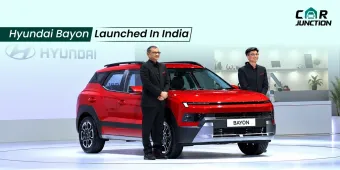
Hyundai Bayon Launched In India At Rs 9.99 Lakh (Ex-Showroom)
Hyundai Motor has launched its all new mid-size SUV for the Indian market, the Hyundai Bayon at Rs 9.99 Lakh (ex-showroo...
... Read More
Hyundai BAYON Performance Details Revealed Ahead of Launch
Hyundai Motor India Limited (HMIL) has revealed the performance details of the upcoming Hyundai BAYON, ahead of its Indi...
... Read More
Diwali 2026 Air Pollution: Can Your Car’s Air Purifier Survive Diwali Night AQI Spike?
A car air purifier during Diwali cuts some airborne particles. It won t give you clean cabin air, though. This Diwali 20...
... Read More
FADA PV Navratri 2026 Sales: Electric Car Sales Up 26% Over 2025 Navratri Sales
Key Takeaways Total sales reached 1,82,728 units. Year-on-year drop of 21.91% against Navratri 2025. EV section surged 2...
... Read More
Hyundai Bayon Safety Features Unveiled: Over 80 Safety Features
Key Highlights Engineered for 5-Star Indian safety standards Equipped with 69% Advanced High-Strength Steel Hyundai Smar...
... Read More
Diwali 2026: 5 Cheapest Cars With Sunroof, Prices Start at Just Rs 7 Lakh
The cheapest car with a sunroof in India currently starts at Rs. 6.99 lakh (ex showroom). This Diwali you will find this...
... Read MoreTrending Hyundai Cars


Popular Cars


Trending Videos

2026 Hyundai Bayon Launched at 9.99 Lakh || Here's Everything You Need To Know

Renault Duster Hybrid Review: Does It Really Save Money? Here's Your Answer

Nissan Gravite Detailed Review | ₹5.73 Lakh 7-Seater MPV: Worth Buying for Your Family?

MG Windsor EV Indulge Edition Walkaround | What's New?

Mahindra XUV 3XO ZNG Review | 110 BHP Turbo CNG SUV Driven, 0-100 Test, Mileage & Full Details

2026 Renault Duster E Tech 160 Hybrid launched at Rs 16.99 lakh

Mahindra XUV 3XO CNG Quick Walkaround || Launched At Rs 9.99 Lakh

2026 Toyota Glanza Quick Walkaround || Launched At Rs 6.99 Lakh

2026 Honda Elevate Facelift Review | Still Worth Buying? Real-World City & Highway Test.

Tata Aeris CNG AMT Range Test & Review || A Worthy Rival To Dzire? #tata


GLC EV
₹ 59.99 Lakh* onwards


Chery iCar V23
₹ 20.00 Lakh* onwards


