
How Technology-Loaded Cars Are Redefining the Real Cost of Ownership?

Google News
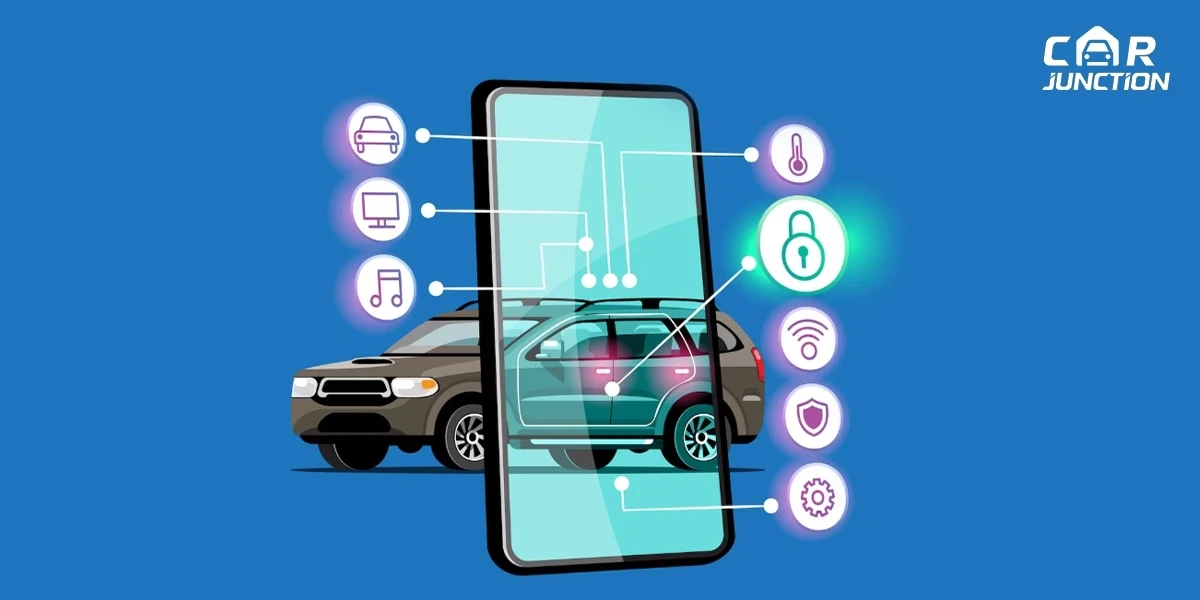
Table of Content

- Why Does the Sticker Price Tell Only Part of the Ownership Story?
- How Are Advanced Technology Features Increasing Repair Costs?
- Why Can a Minor Accident Result in Major Repair Bills?
- How Are Technology-Loaded Cars Changing Insurance Considerations?
- Do Feature-Rich Cars Cost More to Maintain in the Long Run?
- What is the Depreciation Challenge of Technology-Loaded Vehicles?
- Are Technology-Loaded Cars Worth the Higher Cost of Ownership?
- Frequently Asked Questions
Earlier, a car’s price tag would tell you pretty much everything you needed to know. Nowadays, a new car is very likely to come with a large touchscreen, a 360-degree camera, a phone app that can lock the doors and sensors that can apply the brakes. These features make driving easier and safer. The downside is that it changes the cost of ownership once you've left the showroom.
Even today, many new buyers still go by the three numbers when they're looking at a car, i.e. the on-road price, the mileage and the EMI. Technology adds costs which don't appear in any of those three. A minor parking bump can now mean replacing a sensor, and that can be a very expensive repair. Some app features may become a subscription, and the electronics will need protection from both the rain and the rats. It's important to be aware of these costs at the outset so one can choose the right variant and avoid any surprises.
Why Does the Sticker Price Tell Only Part of the Ownership Story?
The sticker price tells only half the story of ownership, as it's the price of the car when you buy it. It doesn't include the on-road price, fuel/charging, servicing, repairs, insurance, any subscriptions and the value lost when you eventually sell it. All of that is part of the real cost.
In an old, basic car, most of the cost is fuel and servicing. But in a modern car, electronics can make up a bigger proportion of the cost. A cracked bumper isn't just a cracked bumper anymore; it may have a sensor in it that also needs replacement and recalibration. Two cars with the same showroom price can end up costing a very different amount to own.
How Are Advanced Technology Features Increasing Repair Costs?
Buyers now expect safety, comfort and a car full of technology. Technology also adds to repair costs, as sensors, cameras, and control units are expensive, and many require specialist tools and technicians to repair. Driver assist is a good example. ADAS (Advanced Driver Assistance Systems) use cameras and radar to alert the driver or to apply the brakes in order to help prevent a crash. When one of those components is replaced, it will usually require calibration (i.e. it will need to be set up again to read the road).
According to JATO Dynamics, ADAS penetration in India has reached 8.3% of new passenger vehicles in H1 2025 (up from 6.2% in H1 2024). ADAS is now the norm alongside other features such as LED headlights, digital instrument clusters and connected car apps in the mid-range SUV segment and in some hatchbacks too. More features mean more parts that can fail, get damaged or need updates - which eventually means higher repair costs.
Why Can a Minor Accident Result in Major Repair Bills?
Minor accidents can lead to massive repair bills because the most likely parts to be hit (bumpers, mirrors, windscreens) are now all likely to have electronics in them. A low-speed bump that previously would have just required a dent repair and a bit of paint may now also require replacing and recalibrating the sensor.
|
Type of damage |
Basic car |
Technology-loaded car |
|
Front bumper hit |
Bumper repair or replacement, plus paint |
Bumper work, plus possible radar or parking sensor replacement and calibration |
|
Cracked windscreen |
Glass replacement |
Glass replacement, plus front camera recalibration if the car has one |
|
Broken side mirror |
Mirror glass or housing |
Mirror unit with a camera or blind-spot sensor, which costs more |
|
Damaged headlamp |
Halogen lamp unit |
LED or projector unit, often replaced as one full assembly |
How Are Technology-Loaded Cars Changing Insurance Considerations?
Technology-loaded cars are changing insurance considerations because they usually have a higher value and costlier parts, which can affect both the premium and the claim amount. The own-damage premium is linked to the car’s Insured Declared Value, or IDV, which is roughly its current market value. A variant with more features often has a higher IDV, so its premium may be higher too.
Owners should also consider how they will pay for repairs. A suitable car insurance policy can help cover accidental damage to sensors, cameras and lamps, subject to the policy’s coverage, limits and terms. Add-ons such as zero depreciation and consumables cover may reduce what the owner pays out of pocket during a claim.
Do Feature-Rich Cars Cost More to Maintain in the Long Run?
Feature-rich cars can end up being more expensive to maintain over the long term, mainly because their electronics will require specialist attention as they age. The cost for routine servicing (oil and filter changes, etc.) is pretty much the same as it would be in a simpler car. The difference comes in when the screen freezes, a sensor gives a false warning, or the control unit simply fails.
Many of these issues can only be sorted at an authorised service centre (and they'll likely charge more than a local garage). Once the warranty is up, a single electronic unit can cost much more to replace than a mechanical part. It's worth checking whether your extended warranty covers the electronic bits, the sensors and the infotainment systems, as those are some of the most expensive things one could end up having to repair after the standard warranty has expired.
What is the Depreciation Challenge of Technology-Loaded Vehicles?
The depreciation challenge of technology-loaded vehicles is that their features can lose value faster than the car itself. Depreciation is the drop in a car’s value over time, and car technology ages much like a mobile phone. A touchscreen or driver-assist system that feels new today may look slow or outdated in five years, when newer models come to market.
This means the extra money paid for a top variant may not come back fully at resale. Faulty electronics can also push the price down further, because used-car buyers worry about costly repairs. On the other hand, a car with working features and a complete service record, including software updates, is easier to sell and can hold its value better.
What Hidden Ownership Costs Do Many Buyers Overlook?
Hidden ownership costs that many buyers overlook are the subscription fees, the calibration fees and the cost of protecting the electronics in the car. Those don't come up at all during a showroom visit.
- Connected-car subscriptions: Most carmakers offer app-based features free only for the first few years. According to Autocar Professional (April 2026), Kia Connect is free for three years, after which annual plans start at ₹1,890. A little over 30% of owners whose free period had ended chose to renew.
- Calibration charges: Setting up sensors and cameras again after a repair or windscreen change adds to the repair bill.
- Rodent and water damage: Rats chewing wires, or water reaching electronics during monsoon floods, can damage costly parts.
- Smart key replacement: Losing a keyless-entry key can cost far more than replacing a regular key.
- Accessory wiring: Poorly fitted aftermarket gadgets can disturb the car’s electrical system.
When Does Spending More on Technology Actually Deliver Better Value?
Spending more on technology actually delivers better value when the features help prevent accidents and match how the car is really used. Safety features are the clearest example. The same IIHS-HLDI analysis found that cars with driver-assist features filed about 10% fewer collision claims, and overall losses were about 5% lower, because many small crashes never happened.
Features deliver the best value when they solve a recurring driving challenge, such as parking in tight spaces, navigating heavy traffic or reducing the likelihood of low-speed collisions. A rarely used feature adds cost without much return.
Even a well-equipped car faces risks that no feature can stop, such as floods, fire and theft. In such cases, a comprehensive car insurance policy can help cover damage to the owner’s own car from such events, along with third-party liability, subject to the policy’s coverage, limits and terms.
How Can Buyers Balance Technology, Safety and Long-Term Ownership Costs Before Buying?
Buyers can balance technology, safety, and long-term ownership cost before buying by separating features that protect from those that just impress. A simple checklist can help:
- Put safety first with airbags, stability control, and driver assist features for everyday driving.
- List the features that are going to be used every week and question the rest.
- Ask the dealer about any free subscription periods and renewal costs.
- Check service costs and the distance to the nearest authorised service centre.
- Ask for approximate prices of common parts and pieces such as a bumper with sensors or a windscreen with a camera.
- Compare the insurance quotes for each variant under consideration.
- Now, estimate the value after five years (resale value).
Are Technology-Loaded Cars Worth the Higher Cost of Ownership?
Technology-loaded cars are worth it when their features improve safety and fit the daily driving needs. They are not worth it when buyers pay for features that are rarely used, and any minor incident can lead to higher repair bills. The best approach is to look beyond the showroom price - analyse the repair, maintenance, fuel and charging, insurance costs, along with the resale value. Buyers who consider these factors are better positioned to enjoy a modern car with advanced technology.
Frequently Asked Questions
Do cars with ADAS cost more to insure?
Often yes. ADAS variants generally have a higher IDV and more expensive parts, which leads to a higher own damage premium. The final premium depends on the car model, the city, the IDV and the add-ons.
Does a cracked windscreen cost more to fix in a car with a front camera?
Usually yes. If the camera is behind the windscreen, it will need recalibration after the glass has been replaced.
What happens if you don't renew your connected car subscription?
The car will continue to run normally, but the app-based features such as live tracking, alerts, remote lock, etc. may stop working. Renewal plans and prices vary by carmaker, so it's worth checking them before purchase.
Can zero depreciation cover help with sensor repair?
It can. Zero depreciation cover will reduce the amount of depreciation that is deducted on the replaced parts in a claim (this can include plastic and electronic parts). The cover, limits and excluded parts will be as per the policy wording.
Is the top spec always better value than the mid spec?
Not necessarily. A top trim will only offer better value if the extra features actually improve safety or are ones you'd use. Otherwise, a mid trim can end up being cheaper to buy, to insure, to repair and to maintain.

Written by
SyedSyed Usman Hasan is a content writer at CarJunction with 4 years of experience in automotive content. A true car enthusiast with a special love for sports cars, he writes blogs, news, web stories, and…
Read more about Syed →
How Technology-Loaded Cars Are Redefining the Real Cost of Ownership?
Nov 11, 2026
Made in India Renault Kiger Upgrades to 4 Star Global NCAP Rating
Nov 11, 2026
Renault India Commences Deliveries of Duster Strong Hybrid E-Tech 160
Nov 7, 2026

Maruti Swift Dimensions Guide: Will It Fit Your Garage and Your Family?
Nov 7, 2026

Mercedes GLC EV vs BMW iX1 LWB vs Tesla Model Y: Which Luxury SUV is Best?
Nov 7, 2026

Electric PV Retail Sales Soar 76.47% YoY in October 2026: FADA Report
Nov 6, 2026

Mahindra XUV 3XO ZNG Scores 5-Star Bharat NCAP Safety Rating
Nov 6, 2026
Popular Cars





Chery iCar V23
₹ 20.00 Lakh* onwards


