
How a Clutch Car Works and Habits That Damage It

Google News
Table of Content

- What is a Clutch and What is its Function in a Car?
- How Does a Clutch Work in a Car?
- 5 Driving Habits That Quietly Damage a Car Clutch
- Signs Your Car Clutch Needs Attention
- Does a Clutch Work Differently in Automatic Cars?
- How to Increase Clutch Life and Reduce Repair Expenses
- Manual vs Automatic: What Should Buyers Choose?
- Conclusion
- FAQs About How a Clutch Car Works
Summarize this blog post with:


A car’s clutch links the engine to the gearbox and decides how power reaches the wheels in a manual. But small daily habits, like resting your foot on the pedal, holding the car on a slope or riding the clutch, wear it out early.
If you drive through Indian traffic every day, this matters. Understand the mechanism and you’ll dodge avoidable repairs, drive smoother and keep the clutch components alive longer.
Here’s how it works, and what to stop doing.
What is a Clutch and What is its Function in a Car?
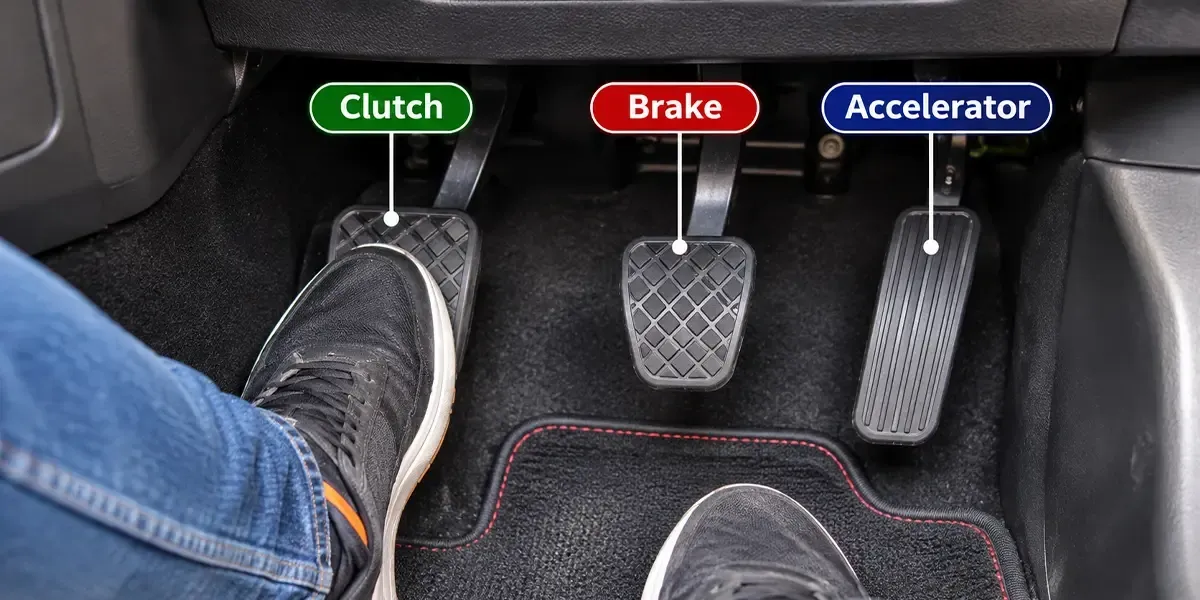
The clutch connects and disconnects the engine from the gearbox. That lets you change gears without switching the engine off or cutting power for good.
In a manual car, the pedal sits left of the brake. You use your left foot. Press it and the engine disconnects from the transmission. Release it and the two reconnect, sending power towards the wheels.
It also lets the car stop without stalling while the engine keeps running. The main jobs:
- Power transmission: Moves engine power to the gearbox and, finally, the wheels.
- Gear shifting: Briefly cuts power so gear changes stay smooth.
- Smooth starting: Gets the car moving from a standstill without a sudden jerk.
- Preventing engine stalling: Disconnects the engine from the transmission when you stop.
Simple version? It’s a temporary link between engine and gearbox. Without it, a conventional manual would be a pain to drive.
How Does a Clutch Work in a Car?
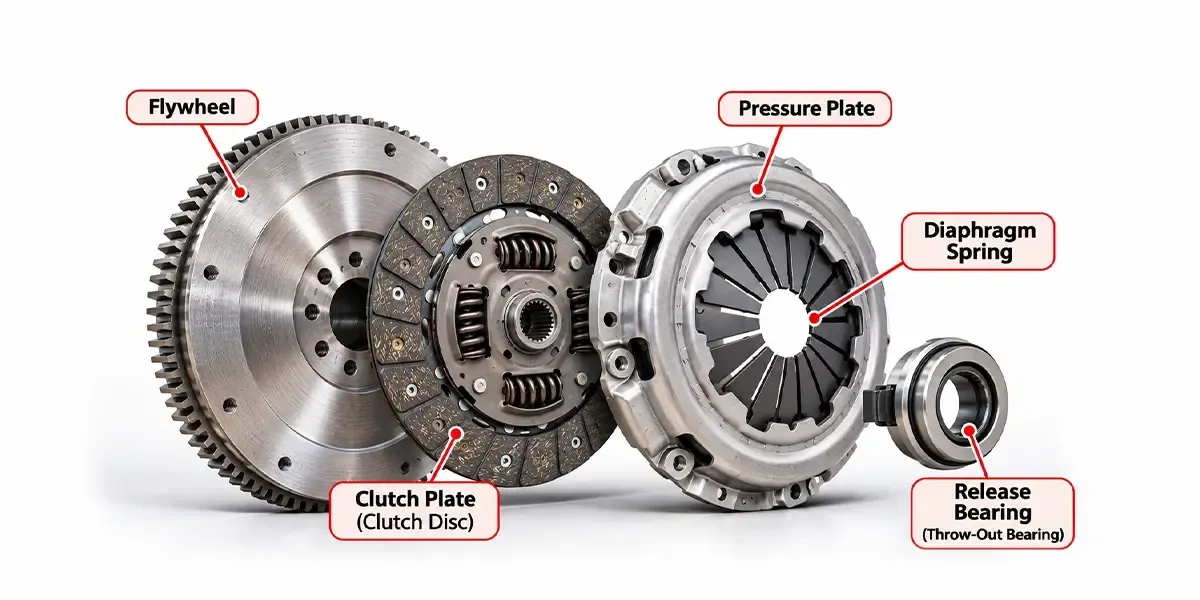
A conventional manual runs a friction based clutch. Several parts work together to control how engine power moves.
Here are the main components of a clutch:
- Flywheel: A rotating disc bolted to the engine crankshaft. The clutch plate works against its surface.
- Clutch plate: A friction lined disc between the flywheel and pressure plate. It passes rotational power to the gearbox input shaft.
- Pressure plate: Pushes the clutch plate against the flywheel and holds it there.
- Diaphragm spring: Supplies the clamping force that engages the clutch.
- Release bearing: Releases the pressure plate when you press the pedal.
- Clutch pedal: Lets you engage and disengage the whole system.
The process has three stages:
- When the clutch pedal is released: The pressure plate pushes the clutch plate against the flywheel. Friction joins the engine and gearbox, so power reaches the wheels.
- When the clutch pedal is pressed: The release bearing works the mechanism and eases pressure on the clutch plate. The engine and gearbox disconnect.
- When changing gears: You pick another gear while the clutch is disengaged. Let the pedal up gradually and the engine and gearbox reconnect.
That’s the clutch at work during starting, stopping and shifting. Release the pedal smoothly, or you’ll get jerks and stalls.
There’s also a brief slipping phase as the clutch engages. It lets engine and transmission speeds match up gradually. But slip for too long and you create heat, which eats the friction material faster.
5 Driving Habits That Quietly Damage a Car Clutch
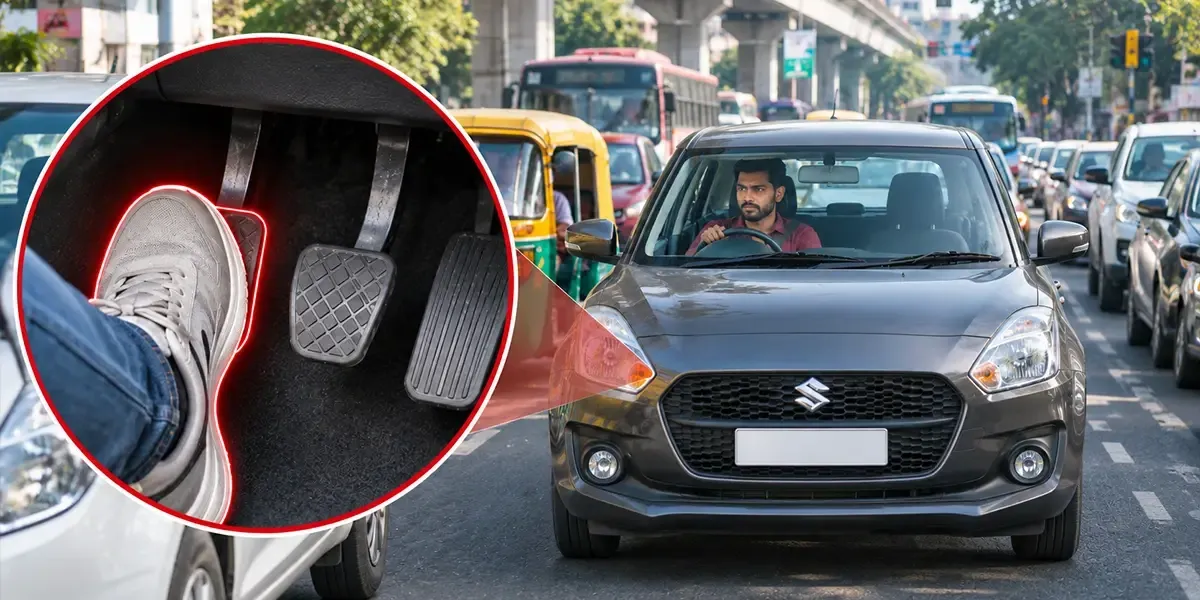
Clutch wear is normal in a manual car. Bad habits just make it come sooner, and the repair bill bigger.
Car brands warn against several of these in their owner manuals.
Resting your foot on the clutch pedal
- Many drivers keep their left foot lightly on the pedal. It’s called riding the clutch.
- Even slight pressure partly disengages the clutch and loosens the grip between its friction surfaces. That means pointless friction and heat.
- Keep your left foot on the footrest unless you’re changing gears. Honestly, this is the easiest fix on the list.
Holding the car on an uphill slope using the clutch
- Common in bumper to bumper traffic and on steep roads.
- Some drivers balance accelerator and clutch to stop the car rolling back. That keeps the clutch partly engaged for a long stretch.
- The friction creates heat and wears the clutch plate faster. Use the foot brake or parking brake instead.
Keeping the clutch pressed at traffic signals
- Waiting at a red light with the pedal fully down is a habit for many. The engine is disconnected, sure. But the release mechanism sits under load the whole time.
- For longer stops, shift to neutral and take your foot off the pedal. The release bearing and related parts get a break.
Releasing the clutch too quickly
- Dump the clutch from a standstill and you’ll jerk the car or stall it. It stresses the transmission too.
- Release the pedal progressively while you feed in the accelerator smoothly. And don’t sit at the biting point longer than you need to.
Using half clutch excessively in traffic
- Half clutch is sometimes necessary when you’re creeping, reversing or starting on a slope. Using it constantly to control speed is another story. That’s a lot of friction.
- In slow traffic, leave a sensible gap and move up when there’s room. Don’t slip the clutch for every tiny movement.
- One more mistake to skip: starting in second gear in normal conditions. Manufacturers recommend first gear. The exception is slippery surfaces, where the manual permits otherwise.
Signs Your Car Clutch Needs Attention
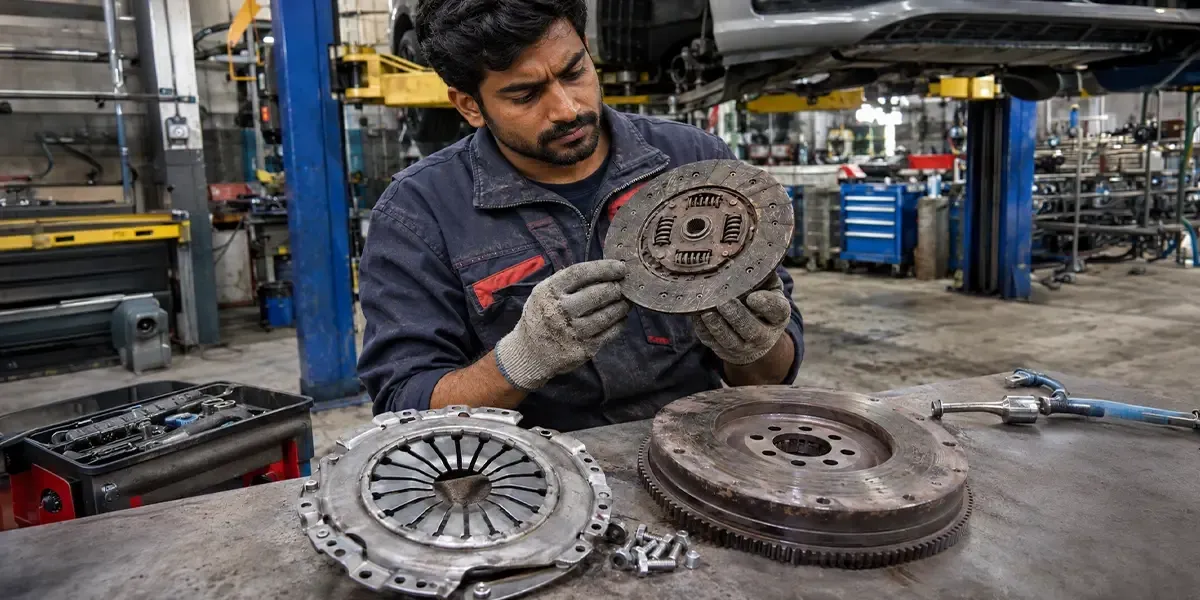
A worn clutch rarely dies without warning. You’ll usually feel it first in the pedal, the acceleration or the gear engagement.
Watch for these signs:
- Clutch slipping: Engine RPM climbs, but the car doesn’t accelerate to match. Worn friction material or weak clamping force could be the cause.
- Hard clutch pedal: The pedal feels stiff or heavy. Look at the cable, the hydraulic system or the release mechanism.
- Burning smell: A burning odour, especially after repeated hill starts or heavy traffic, points to excess clutch heat.
- Difficulty changing gears: Gears fight you, particularly first and reverse. The clutch may not be disengaging fully.
- Unusual noises: Grinding, rattling or squealing when you work the pedal suggests trouble with the release bearing or other parts.
- Vehicle jerking: The car shudders as it pulls away. Worn clutch surfaces or another drivetrain problem could be behind it.
None of these automatically means the clutch plate has failed. Clutch hydraulics, engine mounts or the gearbox can produce similar signs.
Get a qualified mechanic to inspect it before anyone talks about replacement. And don’t keep driving on a slipping clutch. You’ll damage more parts and pay more.
Does a Clutch Work Differently in Automatic Cars?
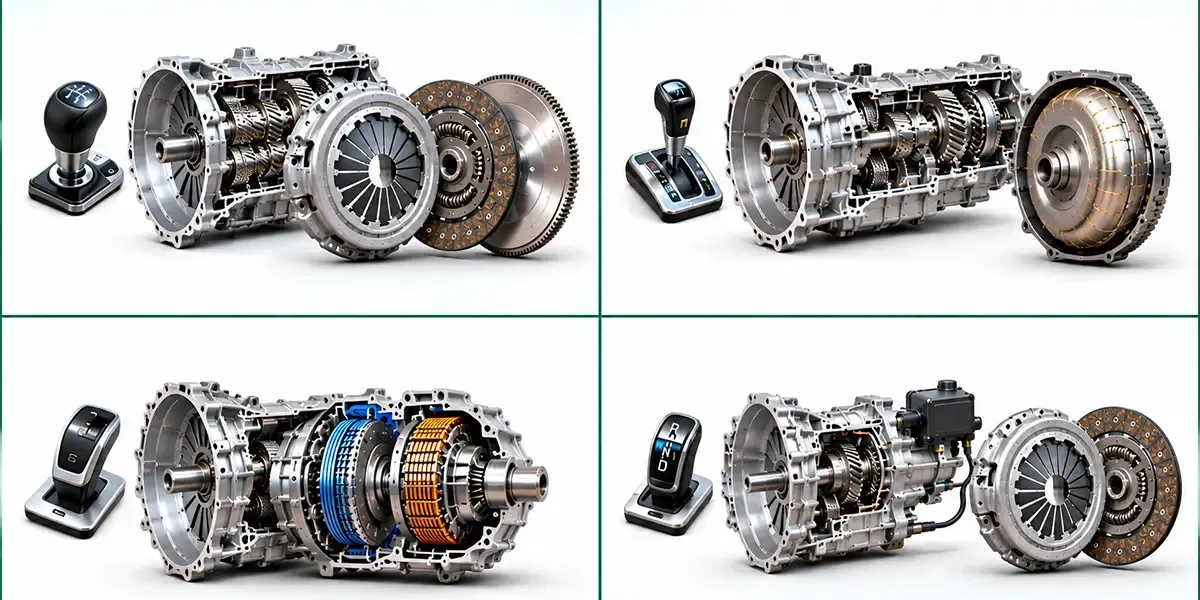
Yes. It depends on the transmission fitted to the car.
In a conventional manual, you work the pedal and pick gears yourself. Most automatics handle gear changes without a clutch pedal.
However, automatic cars can also have clutches.
- Torque converter automatic: Uses a fluid coupling to transfer engine power, plus clutch packs to manage gear ratios.
- Dual clutch transmission (DCT): Runs two separate clutches, one for odd gears and one for even. Gear changes come faster.
- Automated manual transmission (AMT): Has a conventional manual gearbox and clutch, but actuators handle the clutch and gear changes electronically.
A continuously variable transmission (CVT) generally works differently, varying the transmission ratio. Its starting arrangement can use a torque converter or another clutch based system.
So automatics have clutch components that need maintenance too. You just don’t press a pedal for them.
How to Increase Clutch Life and Reduce Repair Expenses
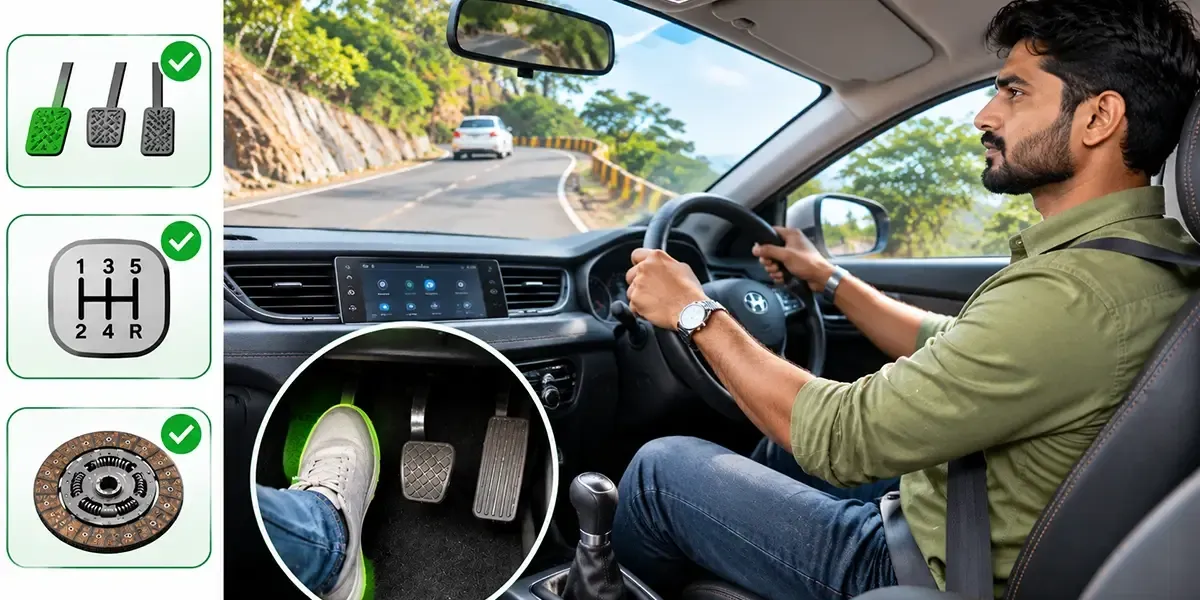
Clutch replacement costs vary with the vehicle, transmission design, labour charges and which parts need replacing. Some jobs involve only the clutch plate. Others need a full clutch kit.
A kit can include the clutch plate, pressure plate and release bearing. The flywheel may need inspection or resurfacing, depending on its condition.
If you drive on India roads and crawl through city traffic daily, clutch care matters more. Stop and go means constant gear changes and constant pedal work.
My take: fix the foot habits first, because that costs nothing.
However, traffic alone does not mean a clutch will wear out prematurely. Driving technique plays an important role.
Follow these basic practices:
- Press the clutch pedal fully before changing gears.
- Release the pedal smoothly when moving from a standstill.
- Avoid resting your foot on the clutch while driving.
- Use the brake or parking brake when waiting on an incline.
- Shift into neutral during longer traffic stops.
- Avoid unnecessary half clutch operation.
- Do not overload the vehicle beyond its specified limits.
- Get unusual pedal behaviour, slipping or noises inspected promptly.
For buyers considering a new car, transmission choice also deserves attention.
A manual car generally gives the driver direct control over gear selection but requires regular clutch operation. An automatic can reduce driving effort in congested conditions, although its maintenance requirements depend on the transmission type.
There is no universal replacement interval for every clutch. Its service life depends on vehicle design, road conditions, load and driving habits. Follow the manufacturer's maintenance schedule instead of replacing components based on an assumed kilometre limit.
Manual vs Automatic: What Should Buyers Choose?
|
Factor |
Manual Transmission |
Automatic Transmission |
|
Clutch operation |
Driver operated pedal |
Managed automatically |
|
Gear selection |
Driver selects gears |
Transmission manages shifts |
|
Driving effort |
Higher in traffic |
Generally lower in traffic |
|
Clutch maintenance |
Depends on driving habits |
Depends on transmission design |
|
Driver involvement |
More direct control |
Less manual involvement |
For first time buyers, the choice depends on daily driving conditions, budget and personal preference. A manual car can suit drivers who prefer direct control and are comfortable operating the clutch.
An automatic transmission can be more convenient for people who regularly encounter heavy traffic. However, buyers should compare the specific transmission's purchase price, service requirements and long term maintenance costs.
Conclusion
The clutch is essential to the operation of a conventional manual car, but its components experience friction during normal use. Poor driving habits can accelerate this wear and increase maintenance expenses. Avoid riding the clutch, use the brakes on slopes and release the pedal smoothly. These simple practices can help maintain transmission performance and prevent unnecessary repairs.
Want to keep your clutch and other car components in good condition? Follow this ultimate car maintenance checklist to build better vehicle care habits.
FAQs About How a Clutch Car Works
What is the function of a clutch in a car?
The clutch connects and disconnects the engine from the gearbox. It allows the driver to change gears smoothly, start the car without jerks and stop without stalling the engine.
How does a clutch work in a manual car?
When the clutch pedal is released, the clutch plate connects with the flywheel and transfers engine power to the gearbox. Pressing the pedal interrupts this connection, allowing the driver to change gears.
What are the common signs of a worn-out car clutch?
Common signs include clutch slipping, a hard clutch pedal, a burning smell, difficulty changing gears, unusual noises and vehicle jerking while moving from a standstill.
What driving habits damage a car clutch?
Resting your foot on the clutch pedal, holding the car on an incline using the clutch, keeping the pedal pressed at traffic signals, releasing it too quickly and excessive half-clutch operation can accelerate clutch wear.
Do automatic cars also have a clutch?
Yes, some automatic cars use clutch components. Dual-clutch transmissions (DCTs) use two clutches, while automated manual transmissions (AMTs) use a conventional clutch operated electronically. Torque converter automatics also use clutch packs to manage gear ratios.
Stay connected with Car Junction for the latest updates. Explore car news, popular cars, detailed brands, and other important information on our platform to stay updated in the automotive space.

Written by
Saurav SumanSaurav Suman is an Automobile Content Writer with over 2 years of experience covering the Indian automotive industry. Writing for Car Junction, he covers car launches, EV technology, hybrid powertrains, vehicle specifications, performance analysis, feature…
Read more about Saurav Suman →
How Safe Is the 2.4-Tonne Tata Sierra EV in a Real Crash?
Nov 20, 2026

New PUC Rules for Cars: BS6 Owners Get Longer Renewal Intervals
Nov 20, 2026

2026 Hyundai Verna Scores 5-Stars in Bharat NCAP Safety Test
Nov 20, 2026

Best Commercial Cars in India: 10 Picks for Every Ride
Nov 20, 2026
How a Clutch Car Works and Habits That Damage It
Nov 19, 2026

MINI Cooper SE Second-Gen and Paul Smith Edition Bookings Open in India
Nov 18, 2026

Mahindra XUV 7XO Mileage - Petrol vs Diesel, Which Costs Less to Run?
Nov 18, 2026


Popular Cars




Virtus Facelift
₹ 11.99 Lakh* onwards


Land Cruiser 250
₹ 1.00 Crore* onwards


C3 Facelift
₹ 9.00 Lakh* onwards